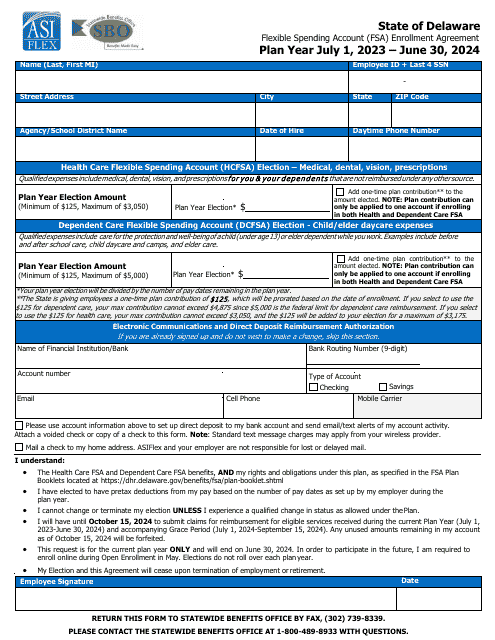
 Fsa Tax Form
Flexible Spending Accounts (FSAs) are a popular way for employees to save money on eligible healthcare expenses. One important aspect of FSAs is the tax implications involved, which is where the FSA tax form comes into play. Understanding how to properly file your FSA tax form can help you maximize your savings and avoid any potential penalties.
When you contribute to an FSA, the money is taken out of your paycheck before taxes are deducted. This means that you can lower your taxable income, ultimately reducing the amount of taxes you owe. However, in order to receive this tax benefit, you must properly report your FSA contributions on your tax return using the appropriate FSA tax form.
Fsa Tax Form
Looking for an efficient way to manage paperwork? A Fsa Tax Form is a smart solution for both individual and business use. Whether you’re handling employment forms, medical records, billing forms, or consent forms, free printable form help simplify tasks with ease.
A printable forms allows you to complete important information manually or digitally before printing. It’s ideal for offices, schools, and home offices where documentation needs to be clear, standardized, and ready to go.
Download and Print Fsa Tax Form
You can instantly find no-cost, user-friendly templates online in formats like PDF no design skills or software required. Just download, fill in, and use as many copies as needed.
Start simplifying your daily tasks and avoid unnecessary delays. Choose a professional form printable today and stay on track, focused, and in charge—whether at your house or at work.
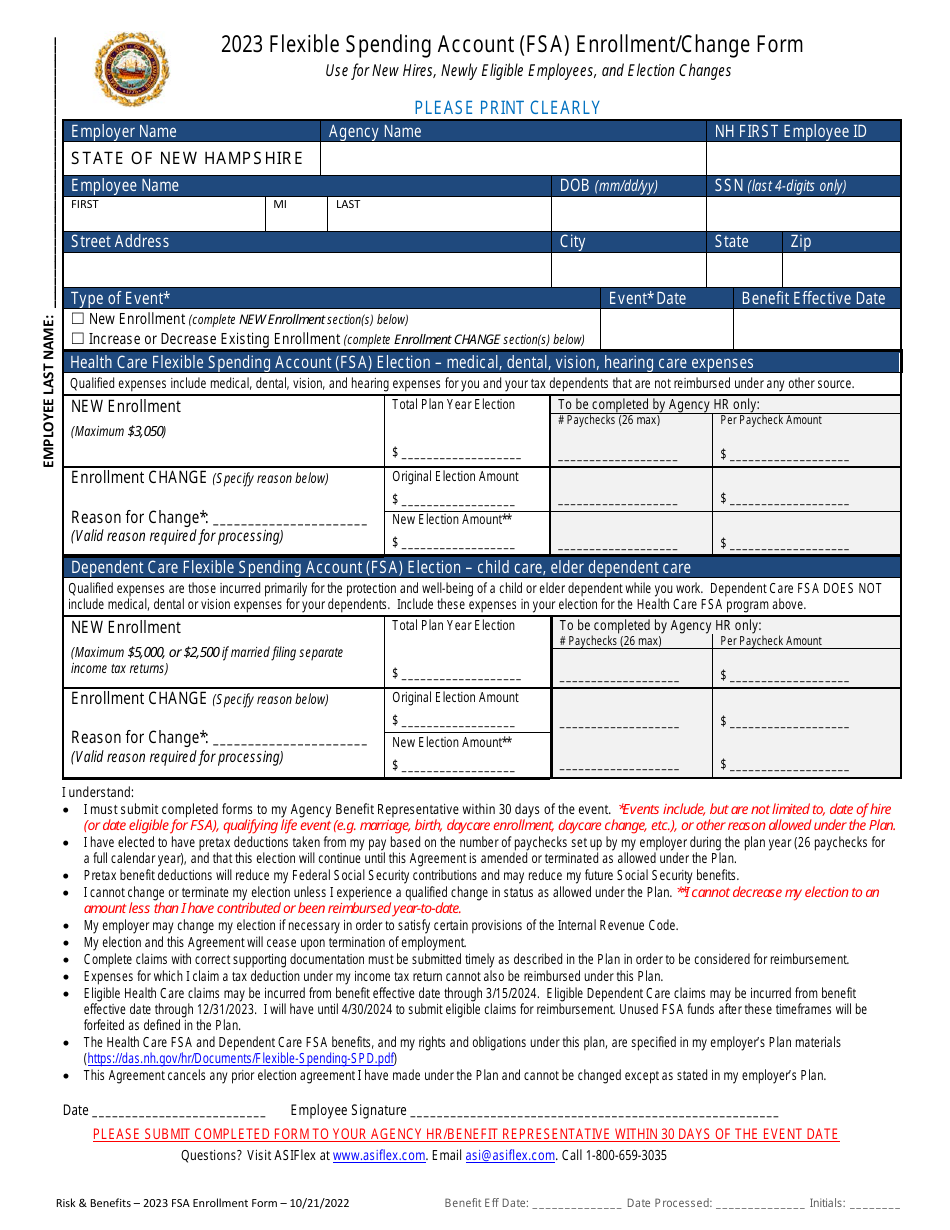 2023 New Hampshire Flexible Spending Account FSA Enrollment Change
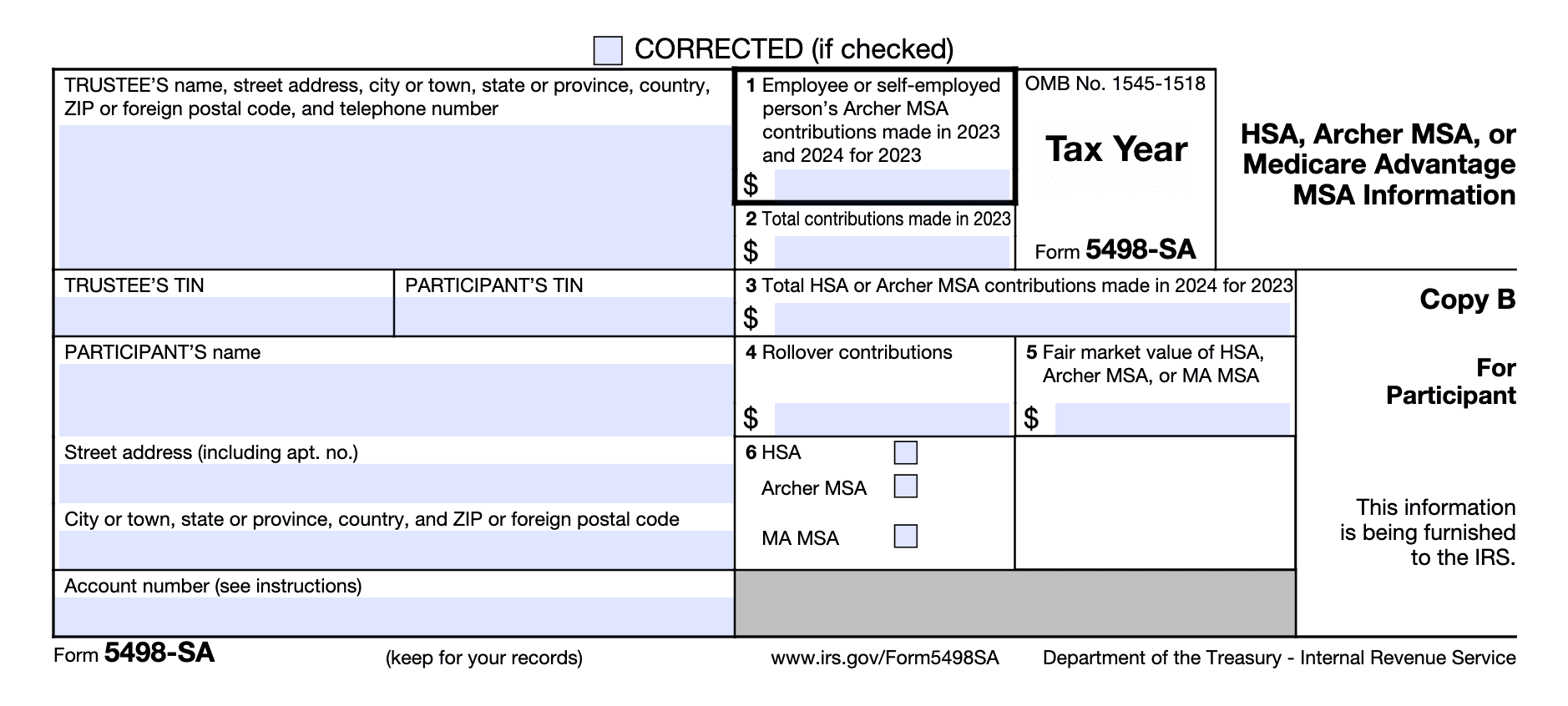 How HSA Distributions And Contributions Affect Your Tax Return
 Fsa Rates For 2024 Sela Wynnie
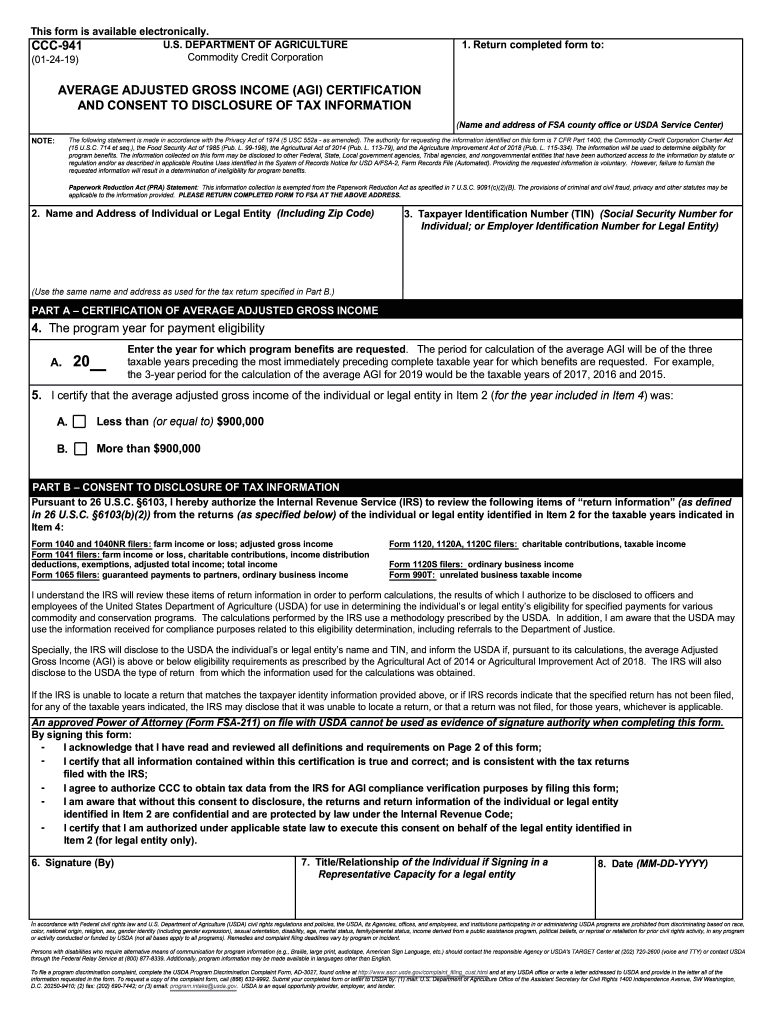 2019 2022 Form USDA CCC 941 Fill Online Printable Fillable Blank
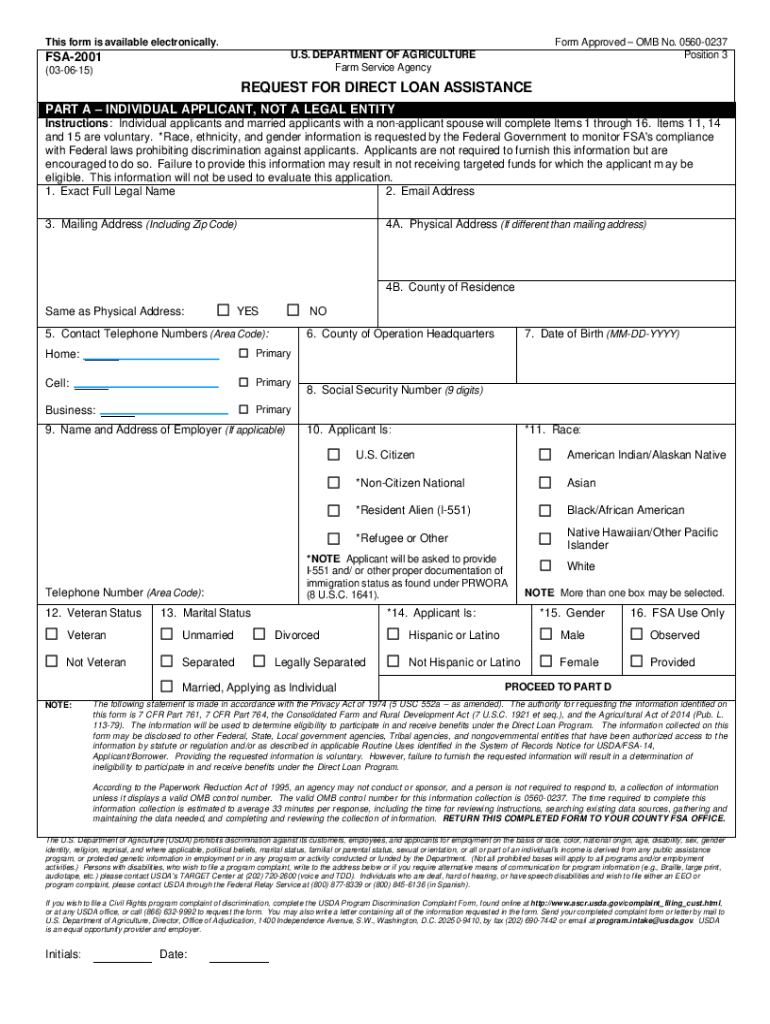 USDA FSA 2001 2015 2022 Fill And Sign Printable Template Online US
There are different types of FSA tax forms depending on the type of FSA you have, such as healthcare FSA, dependent care FSA, or limited-purpose FSA. Each form will require you to report the total amount of contributions you made to the account throughout the year. It’s important to accurately fill out these forms to ensure you receive the tax benefits you are entitled to.
When filing your taxes, you will typically need to include information from your FSA tax form on Form 1040 or Form 1040A. This will help calculate your adjusted gross income and determine your tax liability. Be sure to keep all documentation related to your FSA contributions in case of an audit or if you need to provide additional information to the IRS.
It’s also important to note that there are deadlines for filing your FSA tax form, typically aligning with the tax filing deadline of April 15th. Failure to properly report your FSA contributions can result in penalties or additional taxes owed. If you have any questions or concerns about your FSA tax form, consider consulting with a tax professional for guidance.
In conclusion, the FSA tax form is a crucial component of maximizing your tax savings when participating in a Flexible Spending Account. By understanding how to properly report your FSA contributions on your tax return, you can take advantage of the tax benefits offered by these accounts. Remember to file your FSA tax form accurately and on time to avoid any potential issues with the IRS.