 Roth Ira Tax Form
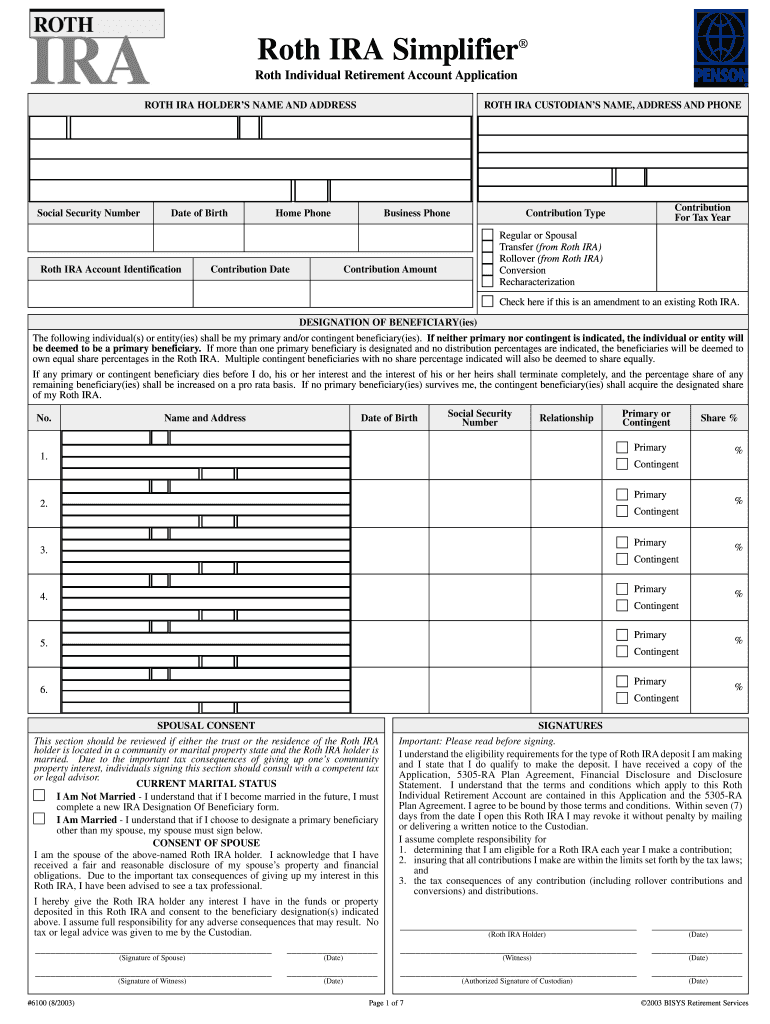
When it comes to saving for retirement, a Roth IRA can be a valuable tool. Not only does it allow you to grow your investments tax-free, but it also offers flexibility in terms of withdrawals and contributions. However, it’s important to understand the tax implications of a Roth IRA, including the necessary tax forms that need to be filed.
One of the key benefits of a Roth IRA is that qualified withdrawals are tax-free. This means that when you reach retirement age and start taking distributions, you won’t owe any taxes on the money you withdraw. In order to ensure that your withdrawals are considered qualified, you’ll need to file the appropriate tax forms with the IRS.
Roth Ira Tax Form
Searching for an easy way to organize forms? A printable forms is a reliable tool for both personal and business use. Whether you’re handling employment forms, medical records, billing forms, or consent forms, printable forms help streamline the process with minimal effort.
A free printable form allows you to enter important information by hand or digitally before printing. It’s ideal for offices, schools, and virtual setups where documentation needs to be organized, standardized, and immediately usable.
Easily Download and Print Roth Ira Tax Form
You can quickly find free, customizable templates online in formats like Jpg no design skills or software required. Just get, complete, and use as many copies as needed.
Start simplifying your form-filling needs and avoid paperwork headaches. Choose a versatile form printable today and stay on track, productive, and in charge—whether at your house or at the office.
 Effective Backdoor Roth Strategy Rules IRS Form 8606
 Filling Out A Roth Ira Form Fill Out And Sign Printable PDF Template
 Effective Backdoor Roth Strategy Rules IRS Form 8606
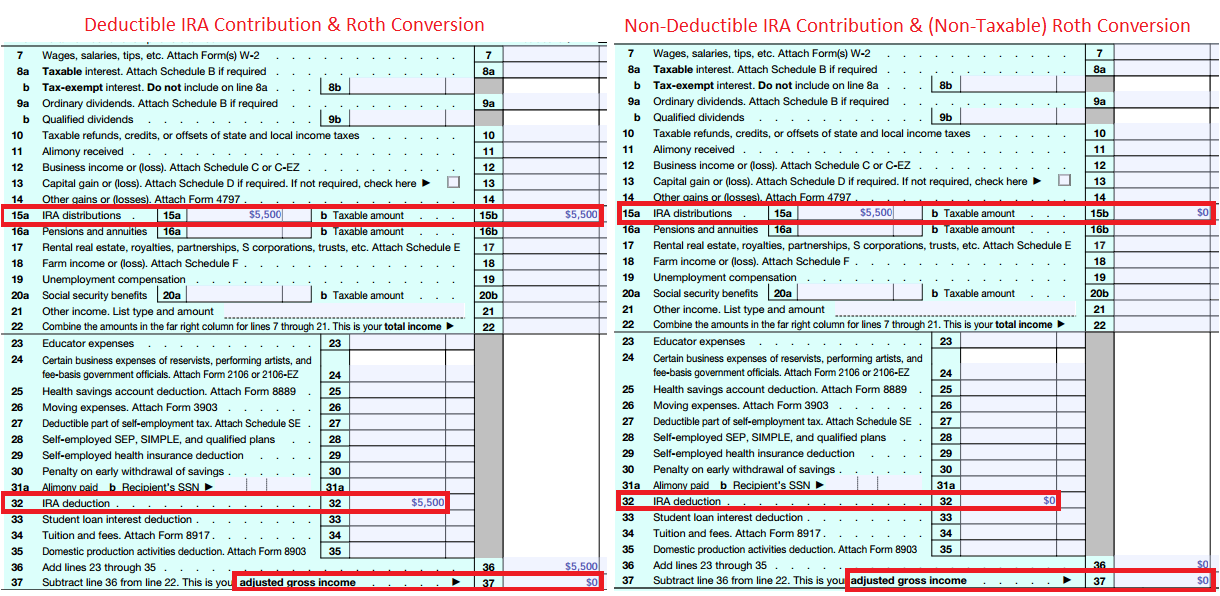 How To Do A Backdoor Roth IRA Contribution Safely
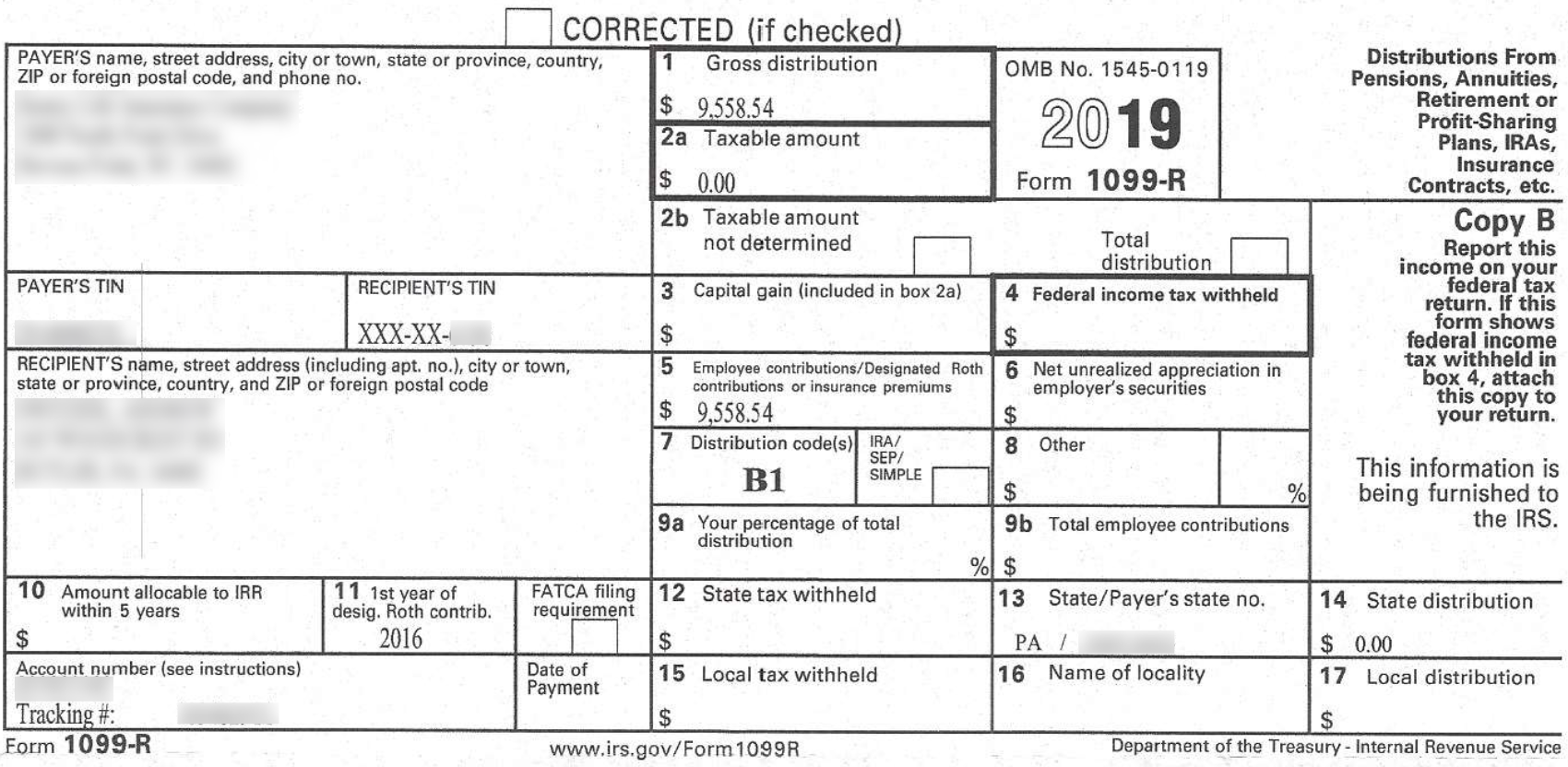 Can I Withdraw My Contributions From A Roth IRA Without A Penalty
Roth IRA Tax Form
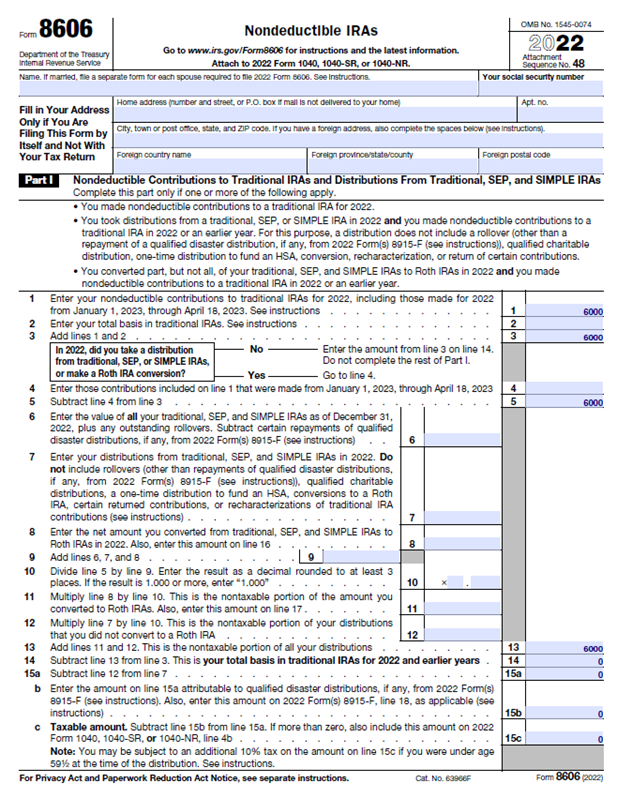
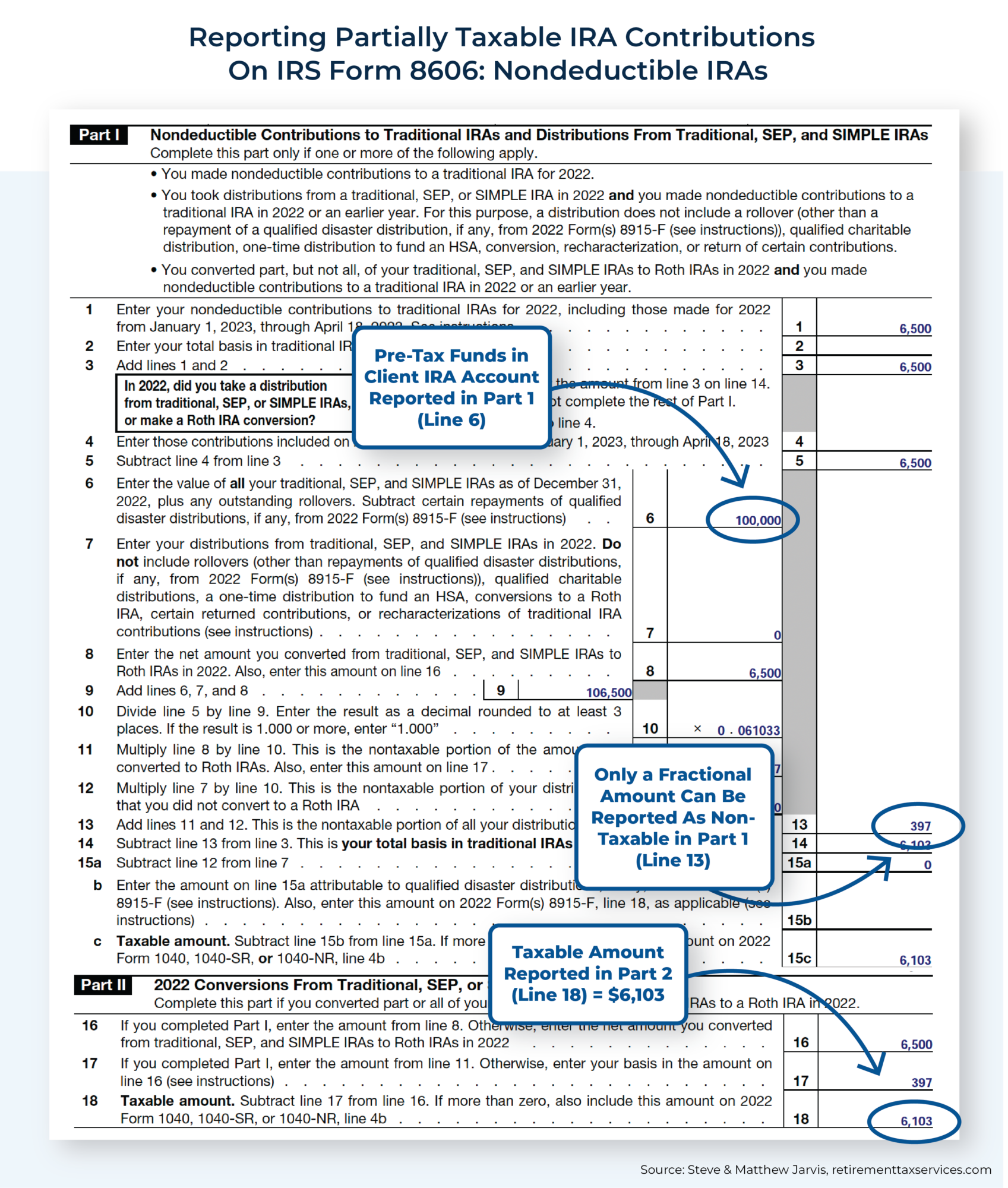
When it comes to reporting your Roth IRA contributions and withdrawals on your taxes, you’ll need to use Form 8606. This form is used to track your non-deductible contributions to a traditional IRA, as well as any conversions from a traditional IRA to a Roth IRA. It’s important to fill out this form accurately to avoid any potential tax penalties.
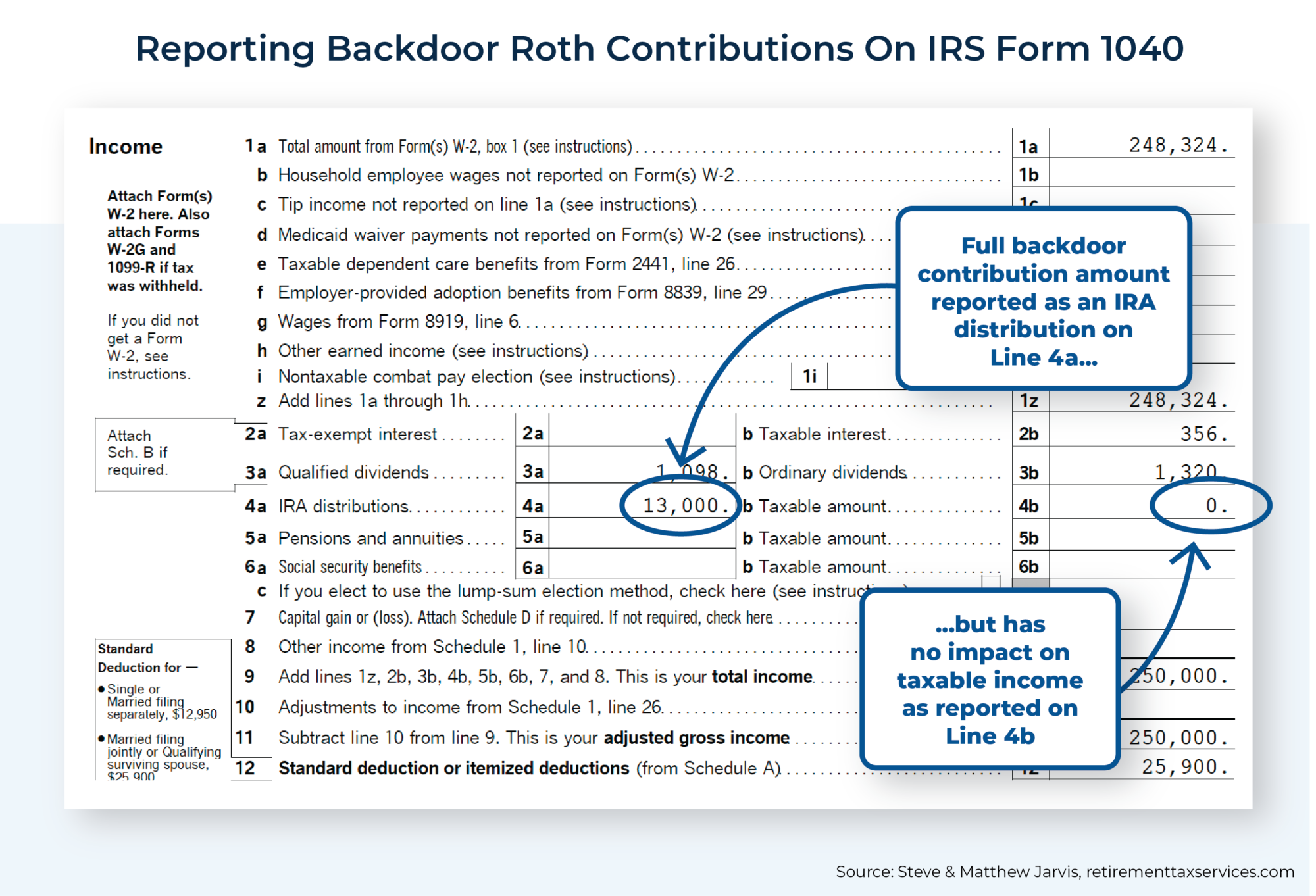
In addition to Form 8606, you may also need to file Form 1040 or Form 1040A to report your Roth IRA activity. These forms will allow you to claim any tax credits or deductions related to your retirement savings, as well as report any income generated from your investments. Make sure to consult with a tax professional or financial advisor if you’re unsure about which forms to use or how to correctly report your Roth IRA transactions.
It’s important to note that if you make non-qualified withdrawals from your Roth IRA before reaching age 59 1/2, you may be subject to taxes and penalties. In this case, you’ll need to report the withdrawal on your tax return using Form 5329. This form will help calculate any additional taxes or penalties owed on the early withdrawal.
In conclusion, understanding the tax implications of a Roth IRA and knowing which tax forms to file is crucial for maximizing the benefits of this retirement savings vehicle. By staying informed and seeking guidance from a professional, you can ensure that you’re making the most of your Roth IRA investments while staying in compliance with IRS regulations.