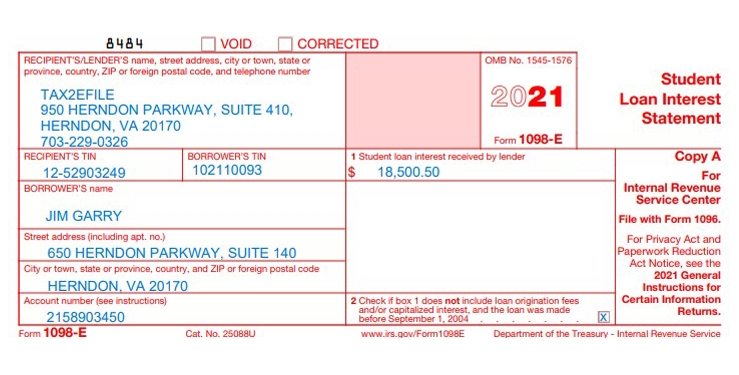
 Sallie Mae Tax Form
When it comes to navigating the world of student loans, Sallie Mae is a name that often comes up. This private student loan provider offers a variety of loan options to help students finance their education. However, when tax season rolls around, borrowers may find themselves wondering about the tax implications of their student loans.
One important document that Sallie Mae borrowers should be familiar with is the Sallie Mae tax form. This form provides important information about the interest paid on your student loans, which may be tax-deductible. Understanding how to use this form can help you maximize your tax benefits and ensure that you are taking advantage of all available deductions.
Sallie Mae Tax Form
Need an easy way to handle documents? A printable form is a reliable tool for both everyday and office use. Whether you’re handling employment forms, medical records, billing forms, or permission slips, printable form help streamline the process with convenience.
A printable forms allows you to enter important information manually or digitally before printing. It’s perfect for workplaces, schools, and virtual setups where documentation needs to be clear, standardized, and immediately usable.
Save and Print Sallie Mae Tax Form
You can quickly find no-cost, user-friendly templates online in formats like PNG no technical experience or apps required. Just get, fill in, and use as many copies as needed.
Start simplifying your routine processes and avoid wasted time. Choose a versatile printable form today and stay on track, productive, and in charge—whether at home or at work.
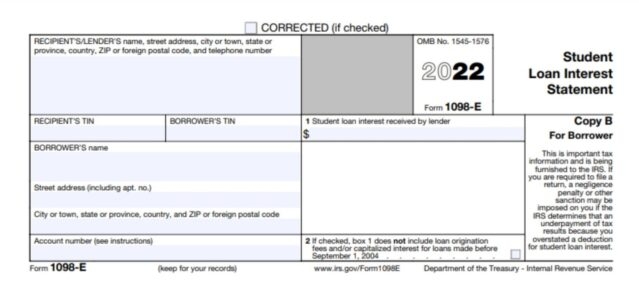 How To Get A Copy Of IRS Form 1098 E
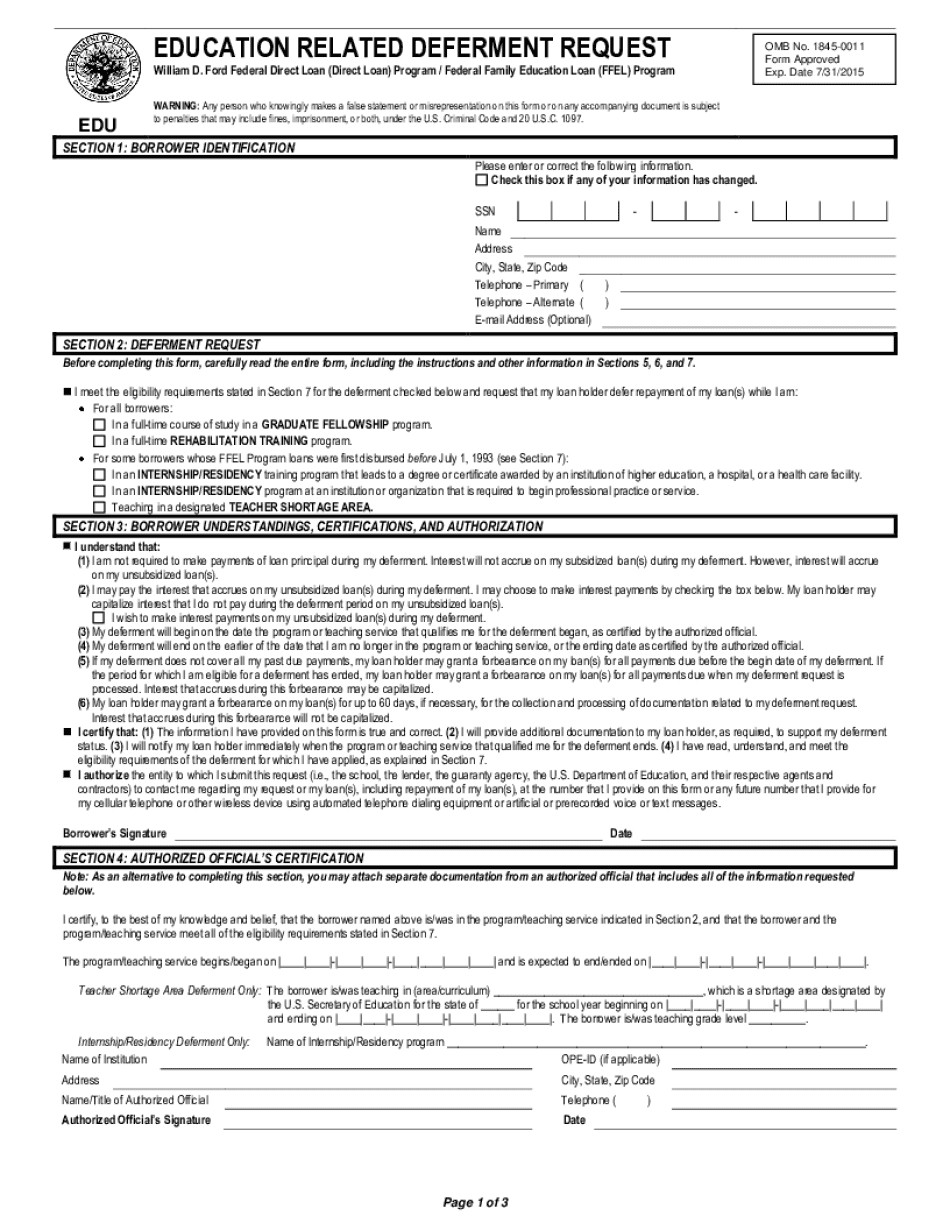 Education Related Deferment Request Sallie Mae Form Fill Out And Sign
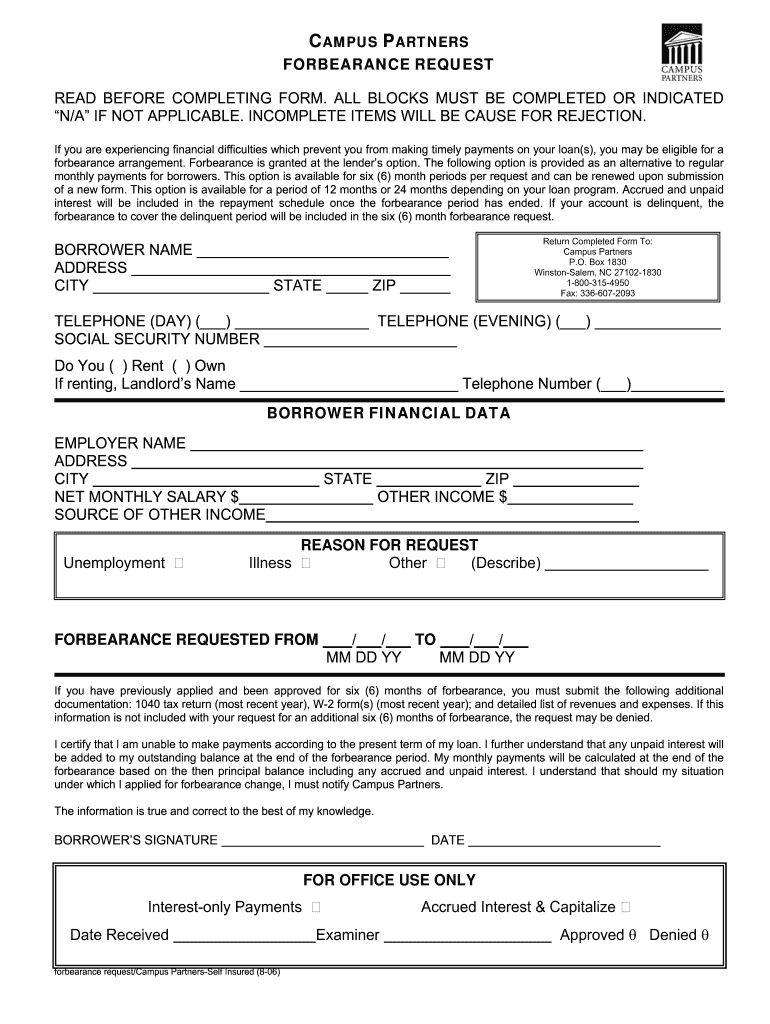
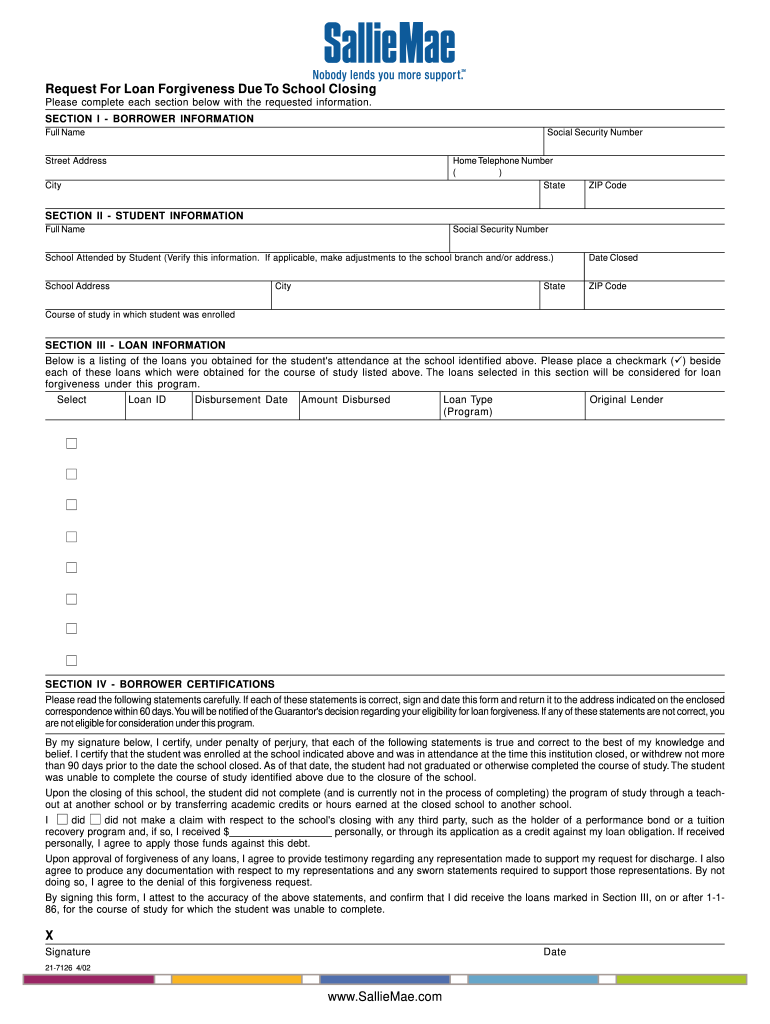 Sallie Mae Forbearance
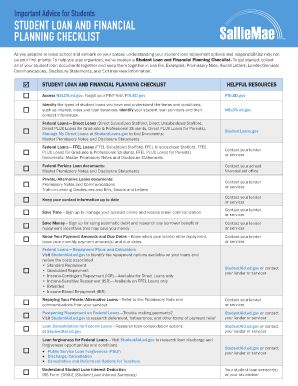
 Sallie Mae Budget Sheet
 Sallie Mae 1098 E Form Fill Online Printable Fillable Blank
When you receive your Sallie Mae tax form, you will need to look for information such as the total amount of interest paid on your student loans during the tax year. This information is crucial for determining whether you qualify for the student loan interest deduction, which allows you to deduct up to $2,500 of the interest paid on qualified student loans from your taxable income.
It’s important to note that not all borrowers will receive a Sallie Mae tax form. If you paid less than $600 in interest on your student loans during the tax year, you may not receive a form. However, you can still claim the student loan interest deduction by keeping track of your loan statements and documenting the interest paid.
Overall, understanding the ins and outs of the Sallie Mae tax form can help you make the most of your student loan tax benefits. By familiarizing yourself with this document and the information it provides, you can ensure that you are taking advantage of all available deductions and maximizing your tax savings.
As tax season approaches, be sure to keep an eye out for your Sallie Mae tax form and consult with a tax professional if you have any questions about how to use it. With the right information and guidance, you can navigate the tax implications of your student loans with confidence.