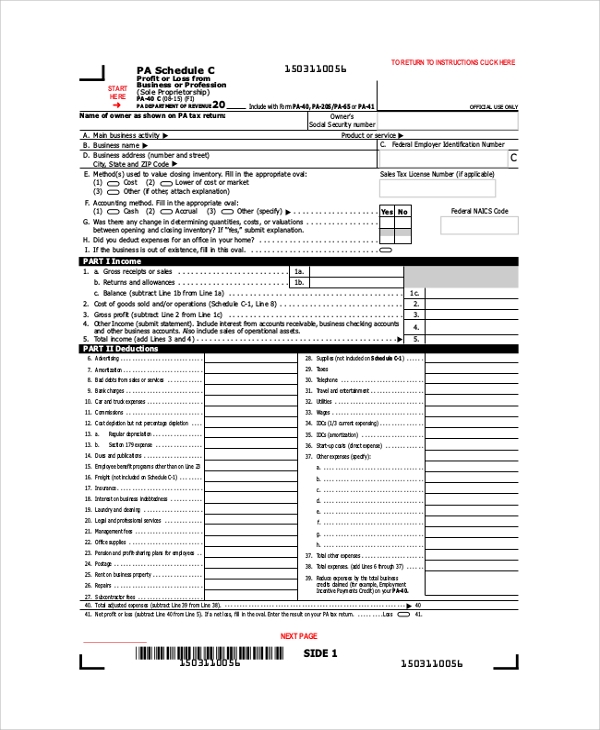
 Schedule C Tax Form Example
As a self-employed individual or small business owner, filing taxes can be a daunting task. One of the forms you may need to fill out is the Schedule C, which is used to report income or loss from a business you operated or a profession you practiced as a sole proprietor.
Understanding how to fill out the Schedule C form correctly is crucial to ensure compliance with IRS regulations and maximize tax deductions. Here is an example of how a Schedule C tax form may look like:
Schedule C Tax Form Example
Need an easy way to handle documents? A form printable is a reliable tool for both personal and business use. Whether you’re handling job applications, health documents, billing forms, or consent forms, free printable form help simplify tasks with minimal effort.
A printable form allows you to enter important information by hand or on a computer before printing. It’s excellent for workplaces, educational settings, and virtual setups where documentation needs to be clear, standardized, and immediately usable.
Easily Download and Print Schedule C Tax Form Example
You can instantly find free, editable templates online in formats like Jpeg no design skills or apps required. Just download, complete, and use as many copies as needed.
Start simplifying your routine processes and avoid unnecessary delays. Choose a reliable printable form today and stay on track, focused, and in charge—whether at home or at work.
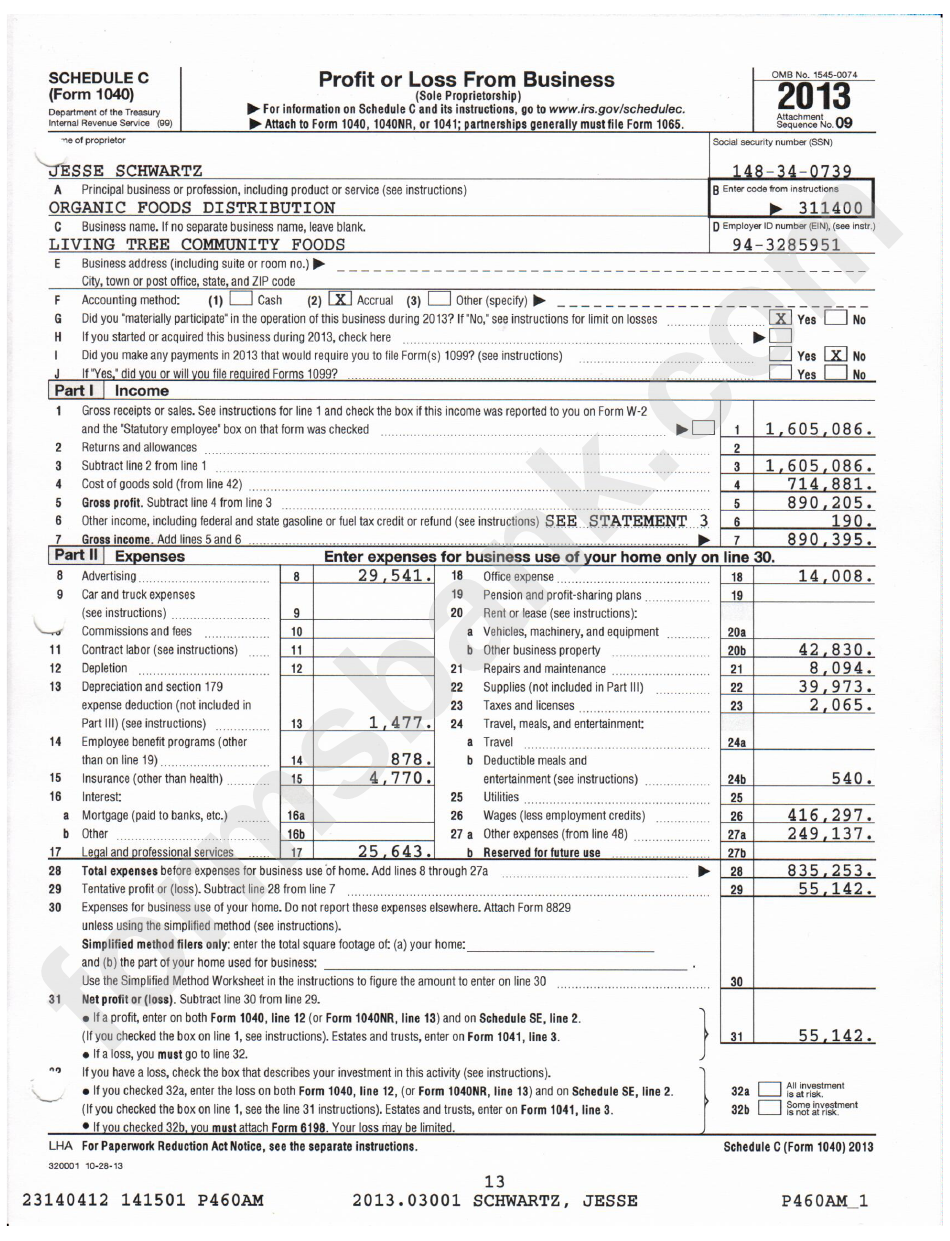 Calculate Schedule C Income Tax
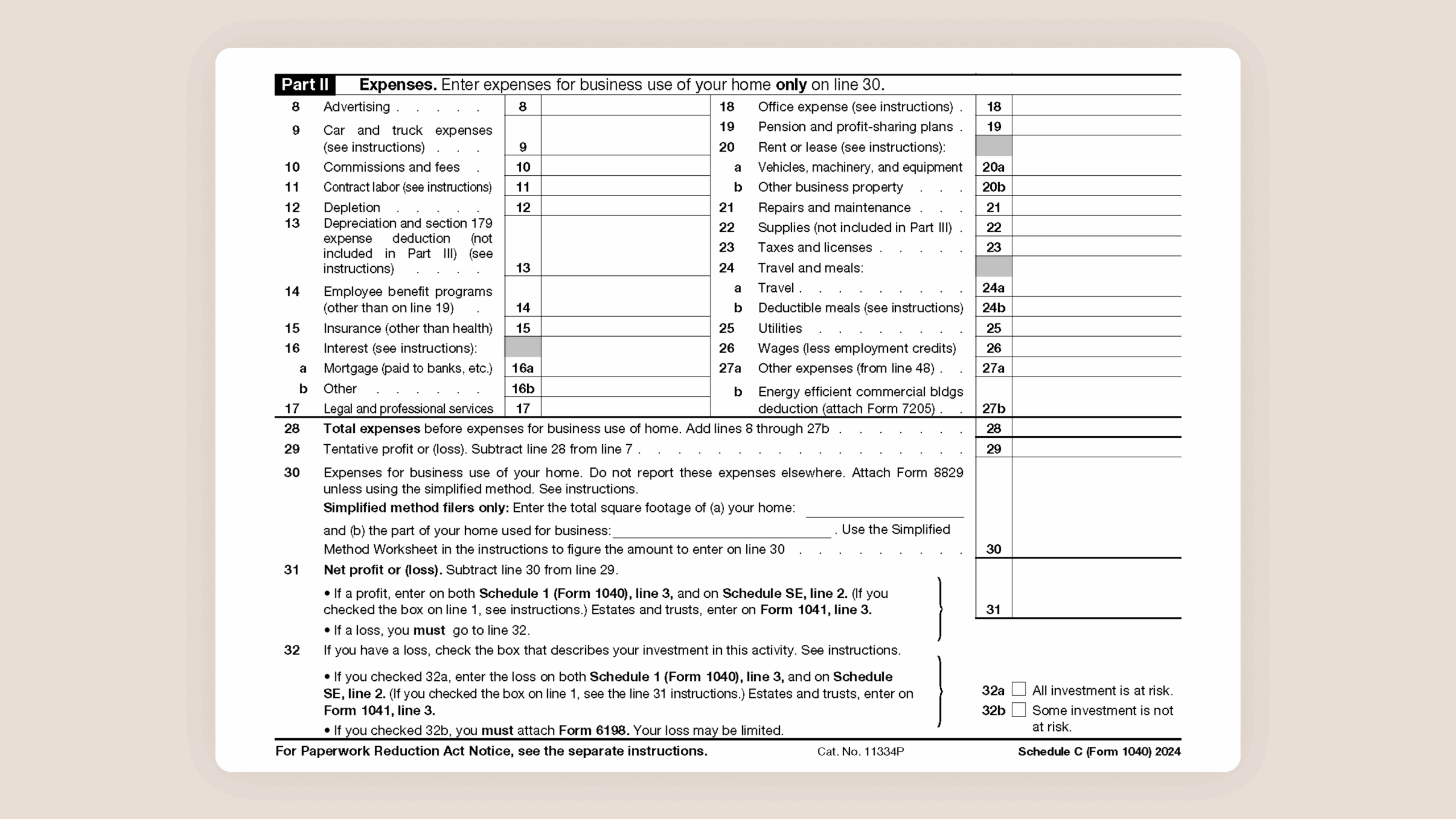 Understanding The Schedule C Tax Form
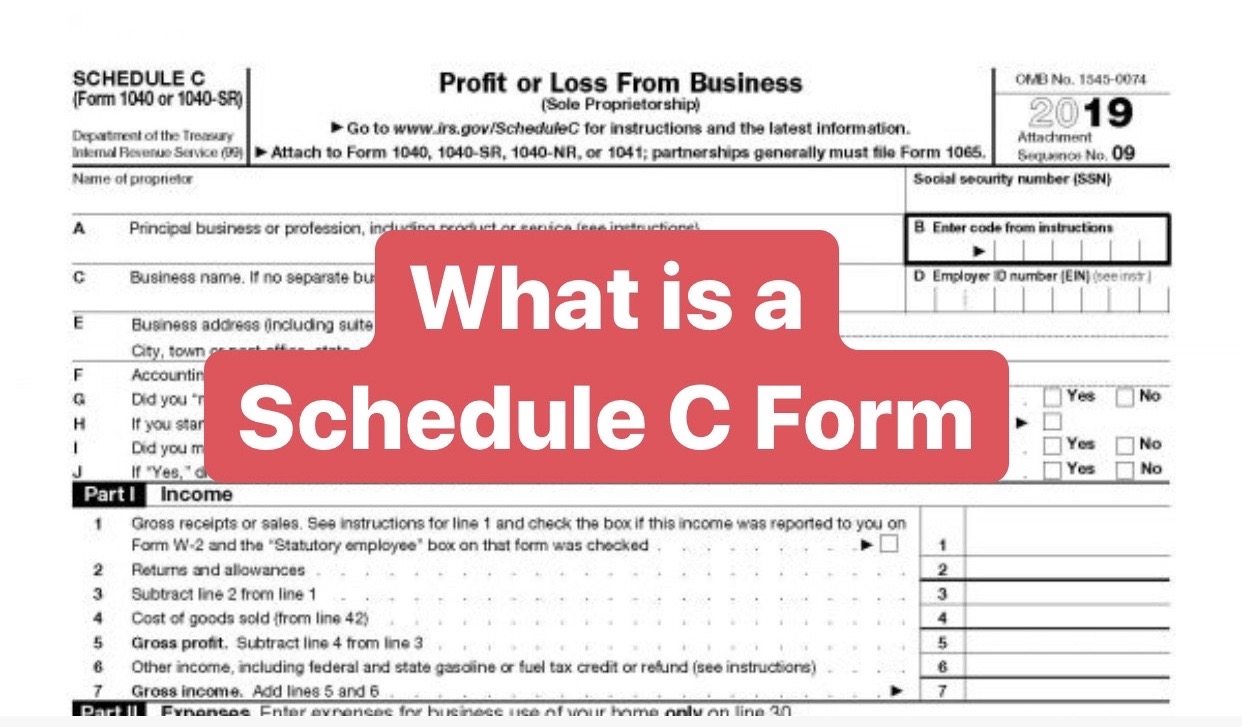 What Is An IRS Schedule C Form What Is 1040 Schedule C Everything
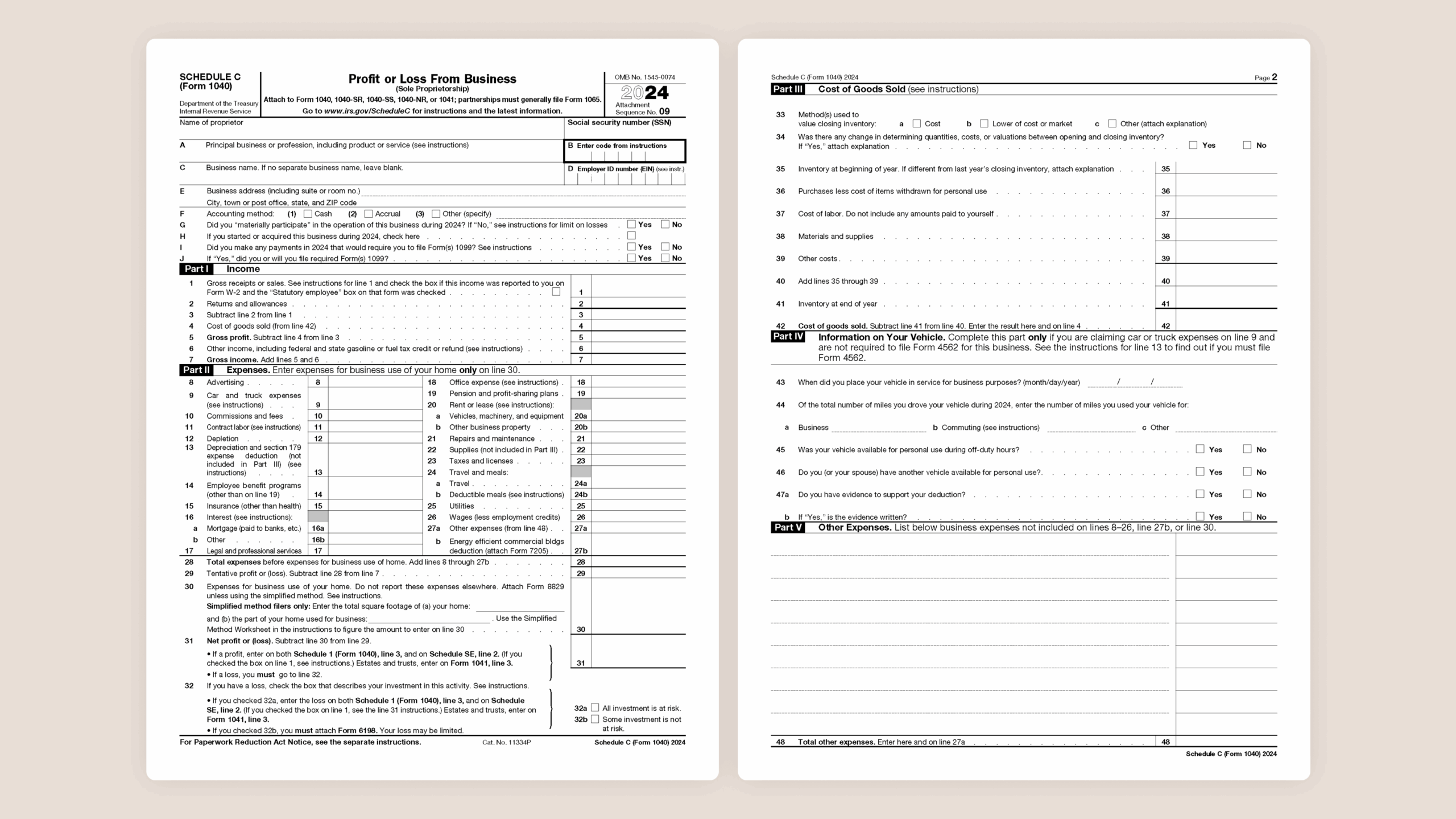 Understanding The Schedule C Tax Form
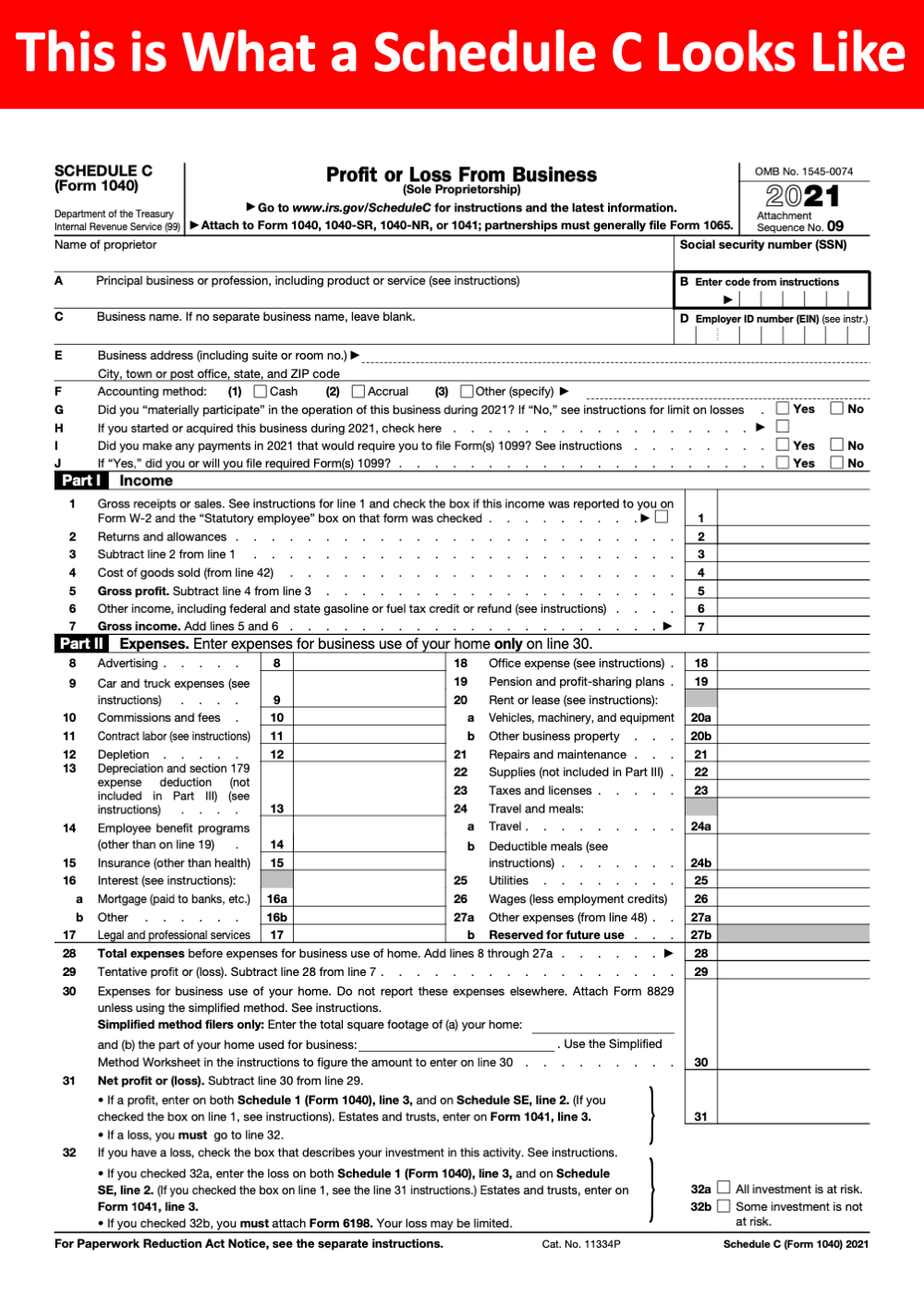 What Is An Irs Schedule C Form Artofit
Example of Schedule C Tax Form
1. Business Information: In this section, you will need to provide details such as your business name, address, and Employer Identification Number (EIN) if applicable.
2. Income: Here, you will report all the income you earned from your business activities. This may include sales revenue, services rendered, or any other sources of income related to your business.
3. Expenses: Next, you will list all the expenses incurred in operating your business. This can range from rent, utilities, supplies, to marketing expenses and employee wages.
4. Net Profit or Loss: After subtracting your total expenses from your total income, you will arrive at your net profit or loss for the year. This amount will be used to calculate your taxable income.
5. Deductions: Finally, you can deduct any eligible business expenses to reduce your taxable income further. These deductions can include health insurance premiums, retirement contributions, or business-related travel expenses.
In conclusion, the Schedule C tax form is a vital document for self-employed individuals and small business owners to report their business income and expenses accurately. By understanding how to fill out the form correctly and taking advantage of available deductions, you can minimize your tax liability and maximize your tax savings.